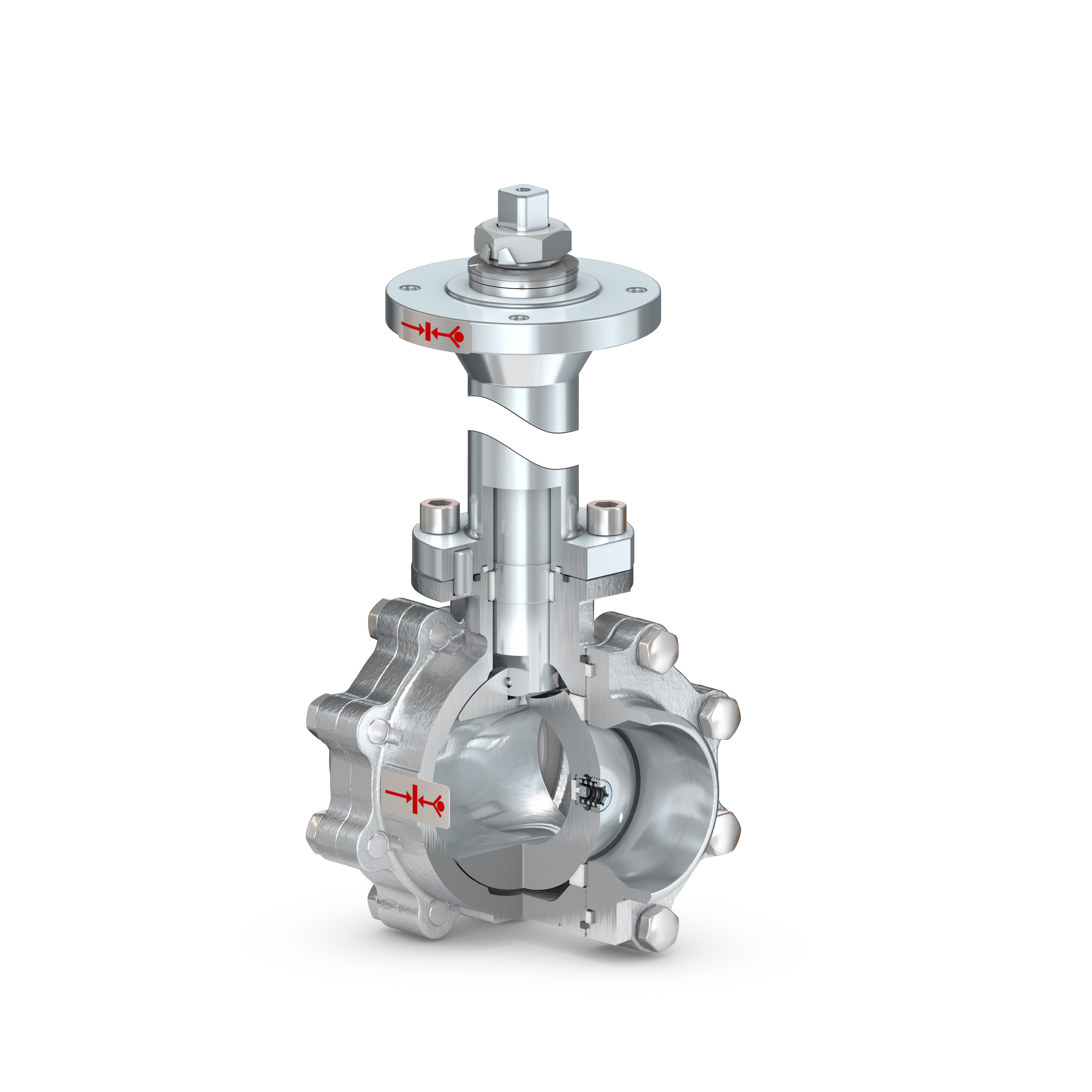
Gas systems operate under conditions where reliable isolation, leak prevention and rapid shutdown can be critical to both personnel and equipment safety.
However, the term gas safety valve can refer to several different functions. Some valves are designed to isolate gas flow during normal operation, others provide automated emergency shutdown, while specific valve designs incorporate pressure-relief mechanisms to prevent dangerous pressure buildup inside the valve itself.
Understanding these differences is essential when selecting a valve for natural gas, LNG, CNG, industrial gases and other demanding gas applications.
Habonim develops industrial ball valves and automated valve solutions for gas distribution, oil and gas, energy, LNG/CNG and other demanding applications, with designs focused on reliable isolation, fire safety, fugitive-emission control and emergency shutdown.
What Are Gas Safety and Relief Valves?
A gas safety valve is a valve or valve assembly designed to help control or isolate gas flow under operating or emergency conditions.
Depending on the application, this may include:
- Manual or automated isolation valves
- Emergency shutdown valves
- Fire-safe ball valves
- Double block and bleed valves
- Valves with cavity pressure-relief mechanisms
It is important to distinguish between shut-off valves and pressure-relief valves.
A shut-off valve stops the flow of gas through a pipeline. A pressure-relief device, by contrast, releases pressure when it exceeds an acceptable level.
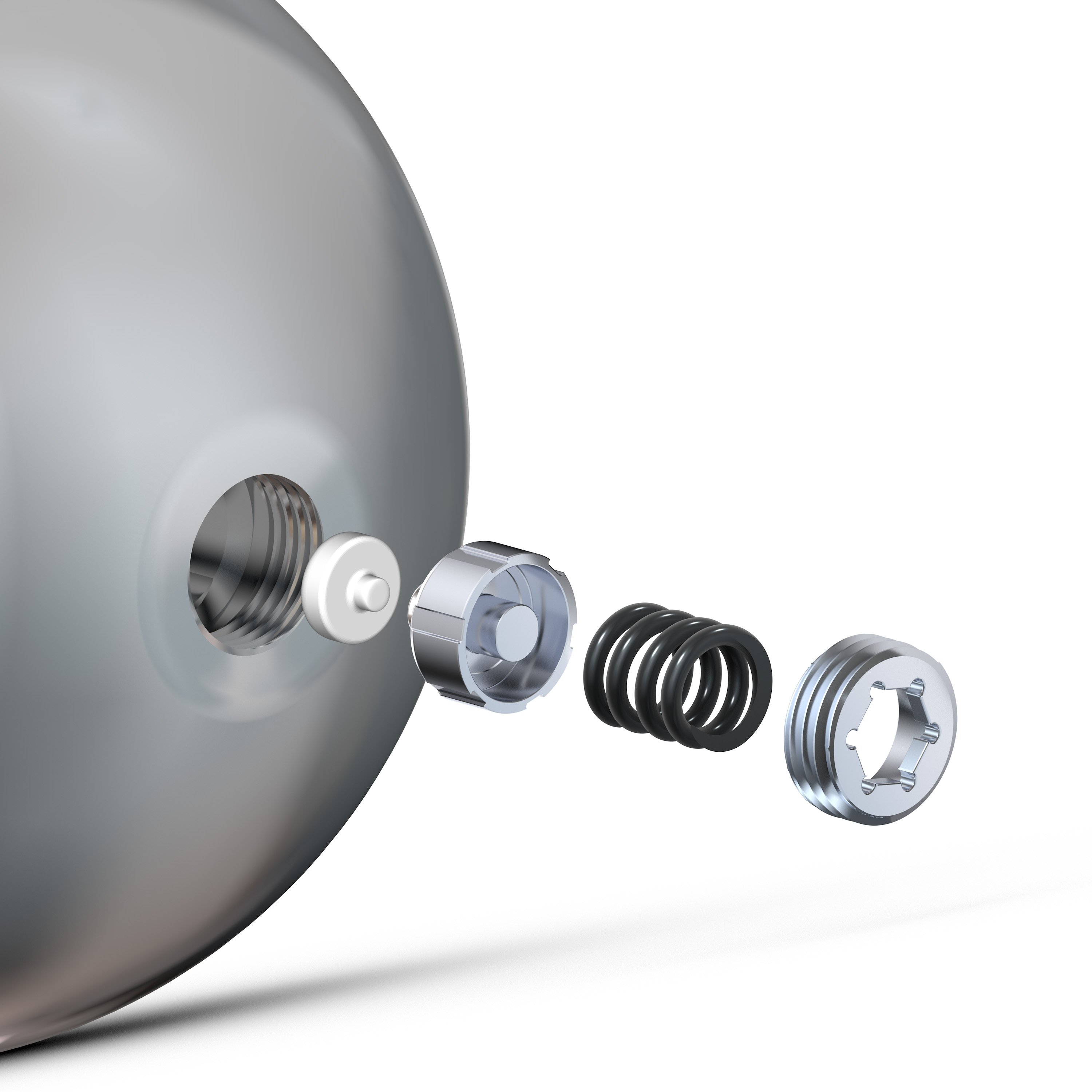
In some ball-valve applications, a pressure-relief mechanism is incorporated specifically to prevent pressure from becoming trapped inside the valve cavity. This is particularly important with cryogenic media, where trapped liquid can warm, vaporize and create increasing pressure inside a closed cavity. Habonim cryogenic valves use mechanisms such as relief holes, self-pressure-relieving seats and, in specific designs, an integral pressure-relief device within the ball.
Why Gas Safety Valves Are Critical for System Protection
Gas systems can combine flammable media, high pressures, extreme temperatures and potentially hazardous operating environments.
The valve is therefore more than a simple flow-control component. Its design can affect several aspects of system safety, including:
- Reliable isolation of the process media
- Prevention of external leakage
- Reduction of fugitive emissions
- Safe operation during fire exposure
- Emergency isolation following a system failure
- Prevention of trapped pressure inside valve cavities
For natural gas applications, Habonim provides industrial valves for high-pressure and extreme-temperature environments as well as automated emergency shutdown solutions designed to rapidly isolate gas flow when required.
How Gas Safety Valves Work
Different gas safety valves protect a system in different ways.
Isolation and Shut-Off
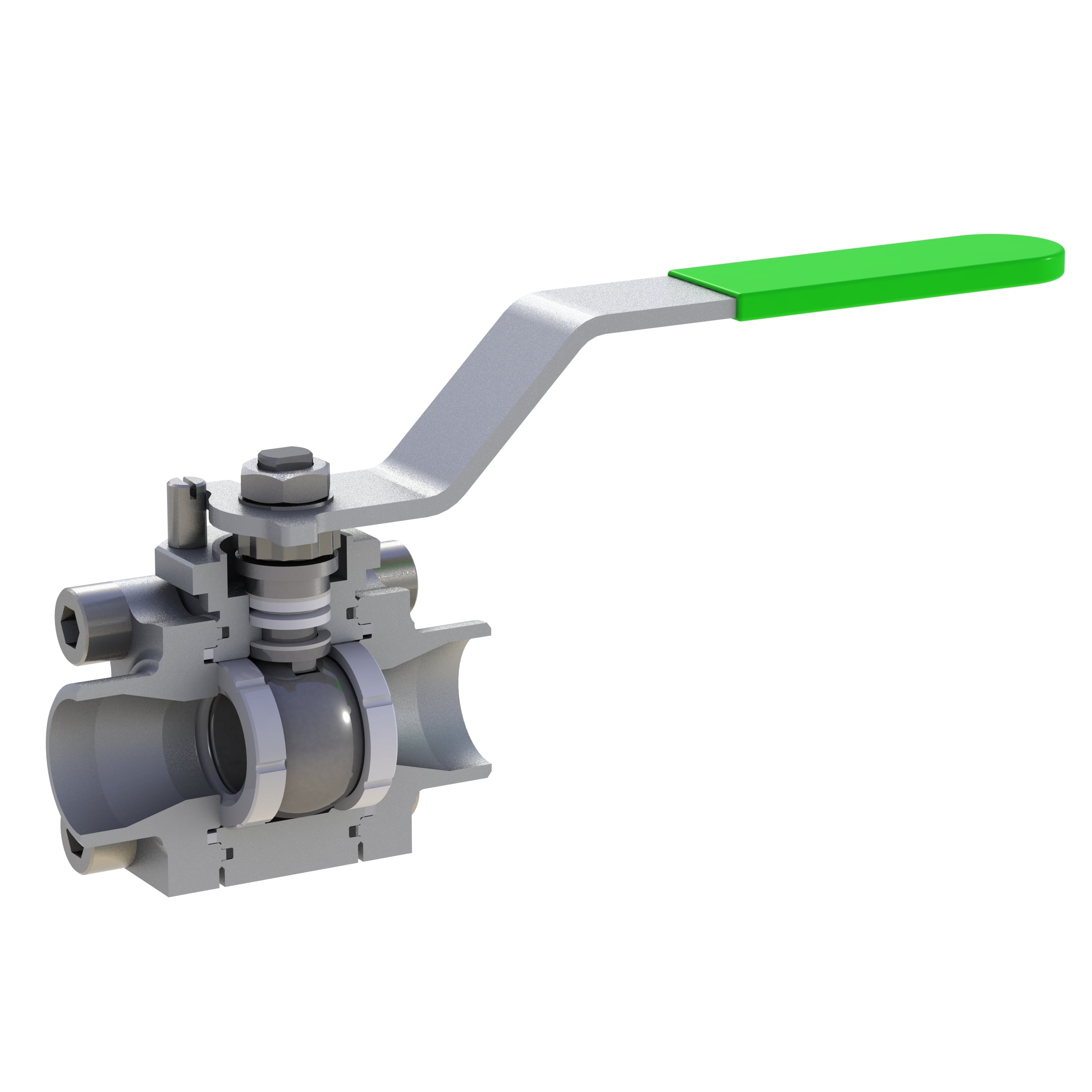
A ball valve uses a rotating ball with a bore through its center. When the bore is aligned with the pipeline, gas flows through the valve. Rotating the ball by 90 degrees moves it into the closed position and isolates the flow.
This quarter-turn operating principle makes ball valves well suited for applications requiring fast and reliable shut-off.
Emergency Shutdown
An Emergency Shut Down, or ESD, system automatically closes the valve when a hazardous or abnormal condition is detected by the safety system.
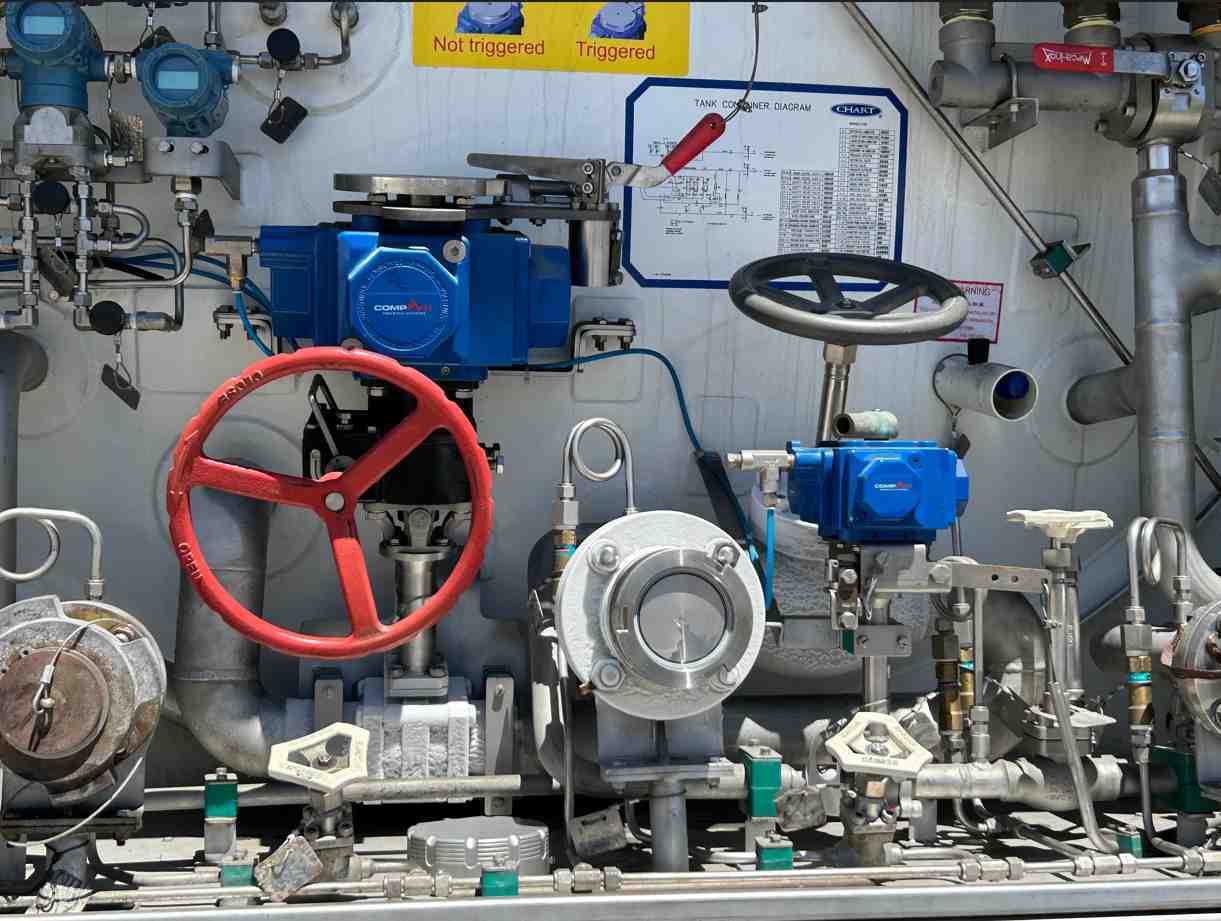
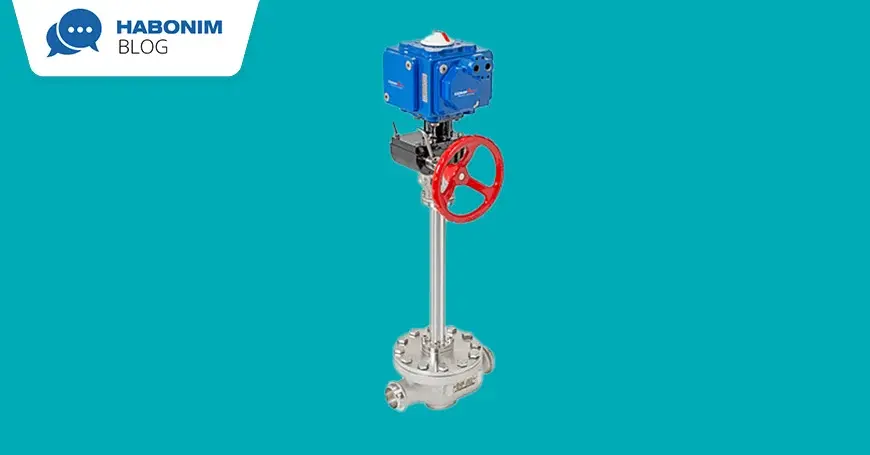
Habonim's ESD package uses its COMPACT™ actuator and is certified for use in a SIL 3 loop. The system is designed for rapid closure of gas lines during dangerous system failures.
Cavity Pressure Relief
When a ball valve closes, process media can sometimes become trapped between the seats and the ball.
This can be especially important in cryogenic service. If trapped liquefied gas warms and expands, pressure can rise inside the valve cavity.
Habonim uses several design approaches to manage this condition, including:
- A relief hole that allows pressure to return to the pipeline
- Self-pressure-relieving seat designs
- Integral pressure-relief mechanisms incorporated into certain cryogenic ball designs
These mechanisms protect the valve cavity and should not be confused with a standalone process pressure-safety valve used to protect an entire piping system or vessel.
Main Types of Gas Safety Valves
Fire-Safe Ball Valves
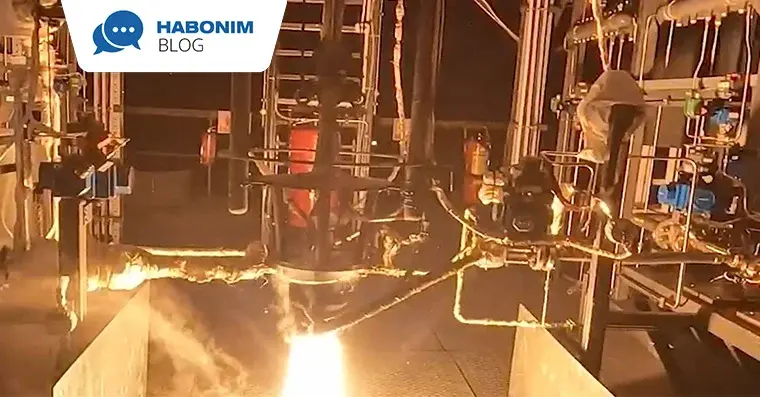
Fire-safe ball valves are designed to maintain controlled sealing performance if the valve is exposed to fire.
Habonim's fire-safe valves incorporate its Total HermetiX™ Integrity Package, which combines double body sealing, stem sealing designed for fugitive-emission control and fire-safe construction. Habonim lists certification to API 607 and ISO 10497 for its fire-safe valve solutions.
Emergency Shut-Off Valves
Emergency shut-off valves are automated valves designed to rapidly isolate gas flow when the control or safety system detects a dangerous condition.
They are particularly relevant to gas distribution, energy and process installations where stopping the flow quickly can help prevent an abnormal condition from escalating.
Double Block and Bleed Valves
Double block and bleed configurations provide two isolation barriers with a bleed point between them.
They can be used where increased isolation integrity, maintenance access or verification of sealing is required. Habonim provides DB&B solutions for demanding industrial and cryogenic applications.
Valves With Cavity Pressure Relief
These valves incorporate features specifically designed to prevent excessive pressure buildup in the enclosed valve cavity.
Depending on the valve configuration, pressure may be returned to the upstream line through a relief hole or relieved through a self-relieving seat mechanism.
Gas Safety Standards and Regulatory Requirements
There is no single standard that applies to every gas valve.
The applicable requirements depend on factors such as the media, pressure class, operating temperature, valve function, installation environment and jurisdiction.
Standards that may be relevant to industrial gas valve applications include:
- API 607 and ISO 10497 for fire-safe valve testing
- API 641 and ISO 15848-1 for fugitive-emission performance
- API 6D for pipeline valve applications
- SIL requirements for valves used within safety instrumented systems
- ATEX requirements for equipment used in potentially explosive atmospheres
- PED or TPED requirements for applicable pressure equipment in European markets
Specific valves and applications may require additional approvals or standards. Habonim maintains multiple product and quality certifications and recommends confirming the applicable requirements for each project rather than assuming that one certification applies to every valve configuration.
How to Select the Right Gas Safety Valve
Selecting a gas valve should begin with the application rather than the valve size alone.
Important considerations include:
Gas or process media
Natural gas, LNG, CNG, hydrogen and industrial gases may require different materials, seals and valve configurations.
Operating pressure
The valve and all pressure-containing components must be suitable for the system's required pressure class.
Operating temperature
Cryogenic or high-temperature applications require designs specifically engineered for those conditions.
Required safety function
Determine whether the valve provides standard isolation, emergency shutdown, double isolation or another safety function.
Fire-safe requirements
Applications involving combustible media may require independently tested fire-safe construction.
Fugitive-emission requirements
Stem and body sealing are particularly important where leakage of process gas into the atmosphere must be minimized.
Automation and fail-safe behavior
For automated safety systems, consider actuator sizing, required closing time, available power or air supply and the required fail position.
Cavity pressure management
Cryogenic or phase-changing media may require a valve design capable of safely relieving trapped cavity pressure.
Applicable standards and approvals
Valve certification should match the regulatory and project requirements of the actual installation.
For engineered gas applications, sourcing through a specialized valve manufacturer or authorized representative also provides access to application engineering, documentation, certification and technical support rather than selecting a valve solely on nominal size and pressure rating.
Habonim operates sales and technical-support channels across multiple regions for this purpose.
How to Inspect and Test a Gas Safety Valve
Inspection procedures depend on the type and safety function of the valve.
Before testing, operators should identify whether the component is an isolation valve, ESD valve, cavity pressure-relief design or another type of safety device.
Typical checks may include:
- Inspecting the valve body, stem and connections for visible leakage or damage
- Confirming that the valve moves through its required operating range
- Checking for unexpected increases in operating torque
- Verifying shut-off and seat-sealing performance
- Testing actuator operation and fail-safe response on automated valves
- Confirming that an ESD valve responds correctly to the safety system
- Verifying the orientation of directional cavity-relief designs
- Performing required pressure, shell, seat or functional tests according to the valve manufacturer's instructions and applicable standards
Habonim states that its valves undergo shell, line and functional testing as part of its manufacturing and quality processes.
A valve's relief mechanism should never be modified, adjusted or tested based only on assumptions about how it operates. Manufacturer documentation and the site's approved maintenance and proof-testing procedures should always define the required method.
Warning Signs of Valve Failure
Possible signs that a gas valve requires inspection include:
- External leakage from the body, stem or connections
- Unexpected fugitive emissions
- Inability to fully open or close
- Increased or irregular operating torque
- Seat leakage when the valve should be isolated
- Slow or incomplete actuator response
- Failure to reach the required shutdown position
- Corrosion, mechanical damage or abnormal wear
- Unexpected pressure behavior around a closed valve
Because gas valves can perform critical isolation and safety functions, abnormal behavior should be investigated rather than compensated for through increased operating force or repeated cycling.
Common Applications in Industrial Gas Systems
Gas safety and isolation valves are used throughout industrial gas infrastructure.
Habonim solutions are used in applications including:
Natural Gas Distribution
Isolation, high-pressure service and emergency shutdown are required at different points throughout natural-gas infrastructure. Habonim offers valves specifically for natural-gas extraction and distribution applications.
Hydrogen
Hydrogen applications require careful valve selection due to demanding sealing requirements, material compatibility and the risk of hydrogen embrittlement.
Habonim offers dedicated hydrogen-service ball valves for applications across the hydrogen supply chain, including production, storage, transportation and refueling, with solutions ranging from low to ultra-high pressures.
LNG and CNG
Cryogenic LNG applications require valve designs capable of maintaining sealing performance at very low temperatures while also addressing the possibility of pressure buildup caused by trapped liquefied gas.
Oil, Gas and Energy
Fire-safe construction, fugitive-emission control and automated isolation are important considerations wherever combustible gases and hydrocarbons are processed or transported.
Industrial Gases
Industrial gas systems may operate across a wide range of pressures, temperatures and chemical conditions, requiring careful selection of valve materials, seals and safety functions.
Marine and Dual-Fuel Systems
Habonim has also developed Gas Valve Unit solutions for dual-fuel marine applications using diesel and LNG, as well as custom safety shut-off solutions for gas feeding systems.
Frequently Asked Questions
Where can I buy reliable gas safety valves and what should I consider when choosing one?
For industrial applications, gas safety valves should be sourced from manufacturers or qualified distributors capable of providing the required technical documentation, certifications and application support.
Selection should consider the gas media, pressure, temperature, required isolation or shutdown function, materials, fire-safe requirements, fugitive-emission performance, automation requirements and applicable industry standards.
What are the main types of gas safety valves and how do they work?
Industrial gas safety solutions can include isolation ball valves, fire-safe valves, automated emergency shut-off valves, double block and bleed valves and valves with cavity pressure-relief mechanisms.
Each addresses a different risk: isolation stops flow, ESD valves automatically shut down hazardous flow, DB&B provides enhanced isolation, and cavity-relief mechanisms prevent excessive pressure from developing inside a closed valve.
How can I tell if a natural gas relief valve is functioning properly?
First determine what type of relief device is installed.
A standalone system pressure-relief valve should be inspected and tested according to its manufacturer's specified set pressure, procedures and applicable site regulations by qualified personnel.
For a ball valve with a built-in cavity pressure-relief function, inspection should verify the correct valve configuration, installation direction and condition of the relief mechanism according to the manufacturer's instructions.
The absence of visible leakage alone does not confirm that a relief mechanism is operating correctly.
Are pressure-relief valves and gas shut-off valves the same thing?
No.
A gas shut-off valve isolates flow through a pipeline. A pressure-relief valve opens when pressure reaches a defined condition in order to reduce overpressure.
Some industrial ball valves incorporate cavity pressure-relief features, but those features protect the valve cavity and do not necessarily replace a system-level pressure-relief device.
Key Takeaways
- Gas safety involves more than a single type of valve.
- Isolation, emergency shutdown and pressure relief perform different functions and should not be treated as interchangeable.
- Valve selection should account for media, pressure, temperature, materials, actuation, safety function and applicable standards.
- Fire-safe and fugitive-emission performance are particularly important in combustible-gas applications.
- Cryogenic valves may require dedicated cavity pressure-relief mechanisms to manage trapped liquefied gas.
- Inspection and testing should always follow the manufacturer's instructions and the facility's approved safety procedures.
- Habonim's relevant expertise is in industrial gas isolation, ESD, fire-safe ball valves, DB&B, cryogenic service and integrated cavity-pressure-relief solutions rather than residential gas installations.
Take the Next Step
👉Access the full H25 technical catalog
👉 Consult with one of our experts