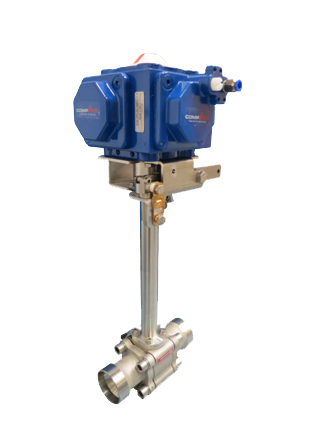
Small valve size does not mean small responsibility. In many industrial systems, 1/4 inch valves are used in instrumentation, sampling, gas handling and other applications where reliable isolation and precise flow management are essential.
Selecting the right 1/4 inch ball valve or shut-off valve requires more than matching the connection size. Pressure, temperature, media compatibility, sealing performance, materials and automation requirements can all affect long-term reliability.
With decades of experience in ball valve engineering, Habonim provides compact valve solutions designed to deliver reliable performance in demanding industrial applications.
What Is a 1/4 Inch Ball Valve?
A 1/4 inch ball valve is a compact quarter-turn valve used to control or isolate the flow of liquids or gases through a small-diameter line.
Inside the valve, a ball with a bore through its center rotates to control the flow. When the bore is aligned with the pipeline, media can pass through the valve. A 90-degree rotation moves the ball into the closed position and shuts off the flow.
This simple operating principle provides several important advantages:
- Fast quarter-turn operation
- Reliable shut-off
- Compact dimensions
- Low maintenance requirements
- Long operating life
- Easy manual or automated operation
These characteristics make small ball valves suitable for applications where space is limited but dependable isolation remains critical.
Where Are 1/4 Inch Ball Valves Used?
Quarter-inch ball valves can be found across a wide range of industrial systems. Their compact size makes them particularly useful for smaller process and instrumentation lines.
Typical applications can include:
- Instrumentation lines
- Sampling systems
- Gas handling systems
- Pressure measurement lines
- Utility lines
- Laboratory and test systems
- Chemical processing
- Process equipment
- Skid-mounted systems
The operating conditions in these applications can vary significantly. A valve used for a standard utility line may have very different requirements from one handling high-pressure gas, aggressive media or extreme temperatures.
For this reason, valve selection should always be based on the complete application rather than connection size alone.
Ball Valve or Shut-Off Valve?
The term "shut-off valve" describes the function of a valve rather than one specific valve design. Its primary purpose is to stop the flow of media through a pipeline or process connection.
Ball valves are widely used as shut-off valves because their quarter-turn design enables fast operation and dependable isolation.
For applications where reliable on/off control is the main requirement, a ball valve can provide a simple and effective shut-off solution. Its compact construction can also be advantageous in installations where available space is limited.
What Should Engineers Consider When Selecting a 1/4 Inch Valve?
Selecting the right small ball valve requires evaluating the complete operating environment. The main considerations include:
| Consideration | What to Evaluate | Why It Matters |
|---|---|---|
| Pressure | Maximum operating and design pressure | Ensures the valve is suitable for the required pressure conditions |
| Temperature | Process and ambient temperature | Affects valve materials, seats, seals and overall performance |
| Process Media | Gas or liquid type and material compatibility | Helps ensure reliable operation and appropriate material selection |
| Sealing Performance | Inline sealing, stem sealing and fugitive emissions requirements | Supports reliable isolation, safety and environmental performance |
| Operating Frequency | Occasional operation or frequent cycling | Influences valve and actuator selection |
| Connection Type | Required connection and piping configuration | Ensures compatibility with the system design |
| Automation | Manual or actuated operation | Determines actuator, control and torque requirements |
| Installation Space | Available space for the valve, actuator and accessories | Important for compact equipment and skid-mounted systems |
A small valve can still be exposed to high pressure, extreme temperatures or challenging media. Valve selection should therefore be based on actual operating conditions rather than nominal valve size alone.
Reliable Shut-Off in Demanding Applications
Small valves can operate under the same demanding process conditions as much larger equipment.
Hydrogen systems, chemical processes and high-pressure gas applications can place significant demands on sealing integrity, material compatibility and valve reliability. Cryogenic applications introduce additional challenges associated with extremely low temperatures and thermal changes.
In these environments, the quality and engineering behind the valve become particularly important.
Habonim's experience in demanding applications includes advanced ball valve technologies for hydrogen, cryogenic and industrial service supported by stringent quality and safety standards.
The Importance of Fugitive Emissions Performance
Fugitive emissions are an important consideration in many modern industrial facilities, particularly when valves handle gases or environmentally sensitive media.
The valve stem is one potential leakage path. A reliable stem sealing system therefore contributes not only to process performance but also to personnel safety and environmental responsibility.
Habonim's Total HermetiX™ Integrity Package incorporates advanced stem sealing technology designed for zero fugitive emissions performance. HermetiX™ stem sealing is certified according to ISO 15848-1 and API 641 and is designed for long-term, maintenance-free operation.
For compact valves operating in demanding services, this level of sealing integrity can be just as important as it is for larger process valves.
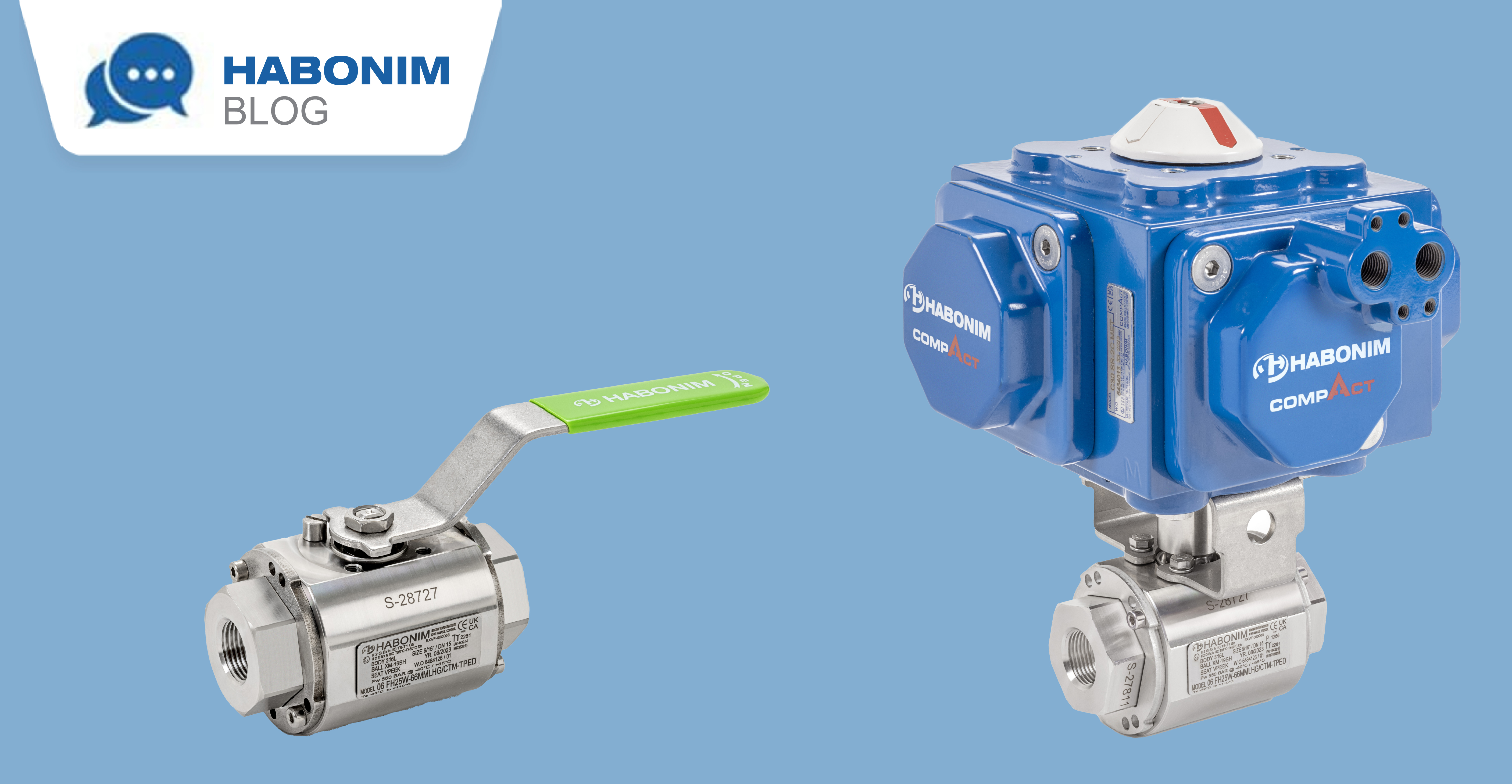
Automating Small Ball Valves
A 1/4 inch ball valve can also form part of an automated process.
Automation enables valves to be operated remotely or according to signals from a process control system. This can improve response times, process consistency and safety while reducing the need for manual intervention.
For automated applications, actuator sizing should consider the actual valve torque requirements and operating conditions rather than valve size alone.
Habonim's CompAct™ pneumatic actuators combine high torque output with compact dimensions, making them well suited to installations where available space is limited. Their proven durability also supports applications requiring frequent cycling and reliable long-term operation.
Why Valve Quality Matters at Smaller Sizes
It can be tempting to treat small valves as simple components. In practice, a failure in a small isolation point can affect an entire process.
Leakage can result in lost media, maintenance requirements, environmental concerns or unplanned shutdowns. In critical gas applications, reliable isolation can also have direct safety implications.
Selecting a properly engineered valve helps reduce these risks.
Habonim combines extensive ball valve expertise with advanced sealing technologies, strict quality processes and solutions developed for demanding industrial environments. The objective remains the same regardless of valve size: dependable performance throughout the valve's operating life.
Frequently Asked Questions (FAQ)
What is a 1/4 inch ball valve?
A 1/4 inch ball valve is a compact quarter-turn valve used to control or isolate liquids and gases in small-diameter piping, instrumentation and process systems.
Is a ball valve a shut-off valve?
A ball valve can be used as a shut-off valve. Its quarter-turn design allows rapid opening and closing and provides reliable isolation when properly selected for the application.
What applications use 1/4 inch ball valves?
Common applications include instrumentation, sampling, gas handling, utility lines, test systems, process equipment and compact skid-mounted systems.
Can a 1/4 inch ball valve handle high pressure?
Small valve size does not determine pressure capability. The allowable pressure depends on the specific valve design, materials, seats, seals, connections, temperature and applicable pressure rating. The valve should always be selected according to the actual operating conditions.
Can small ball valves be automated?
Yes. Small ball valves can be equipped with suitable actuators for remote or automatic operation. Proper actuator sizing should be based on the valve's torque and operating conditions.
What should I consider when choosing a shut-off valve?
Important considerations include pressure, temperature, process media, material compatibility, required sealing performance, operating frequency, connection type, available installation space and automation requirements.
Why choose Habonim for demanding ball valve applications?
Habonim combines decades of ball valve and valve automation experience with advanced sealing technologies and solutions designed to perform reliably in demanding industrial applications around the world.
Key Takeaways
A 1/4 inch ball valve may be a small component but its role in process safety and reliability can be significant. Selecting the right valve requires evaluating the complete application, including pressure, temperature, media, sealing requirements and operating conditions.
Ball valves provide an effective solution for compact shut-off applications thanks to their simple quarter-turn operation, reliable isolation and suitability for automation.
For more demanding services, valve design, material selection and sealing performance become increasingly important. Habonim's experience in ball valves, Total HermetiX™ sealing technology and compact valve automation provides a strong foundation for reliable flow control in critical industrial applications.
Whether the requirement is a simple isolation point or part of a more demanding automated system, choosing the correct valve from the beginning can help improve safety, reduce maintenance and support reliable operation over the long term.


%20Valve.jpg)