ndustrial valves isolate equipment, regulate flow, prevent reverse flow and protect systems against overpressure. Their roles vary across chemical processing, energy, industrial gases, pharmaceuticals and other process industries.
For project engineers and procurement teams, valve selection involves two connected decisions: choosing the right technology for the application and finding a manufacturer that can demonstrate its suitability.
This guide explains the main industrial valve types, important areas of technology development and practical criteria for evaluating manufacturers and suppliers.
Main Types of Industrial Valves and Their Uses
Valve selection starts with the required function. Isolation, flow regulation, backflow prevention and overpressure protection have different design requirements.
| Valve Type | Typical Function and Uses |
|---|---|
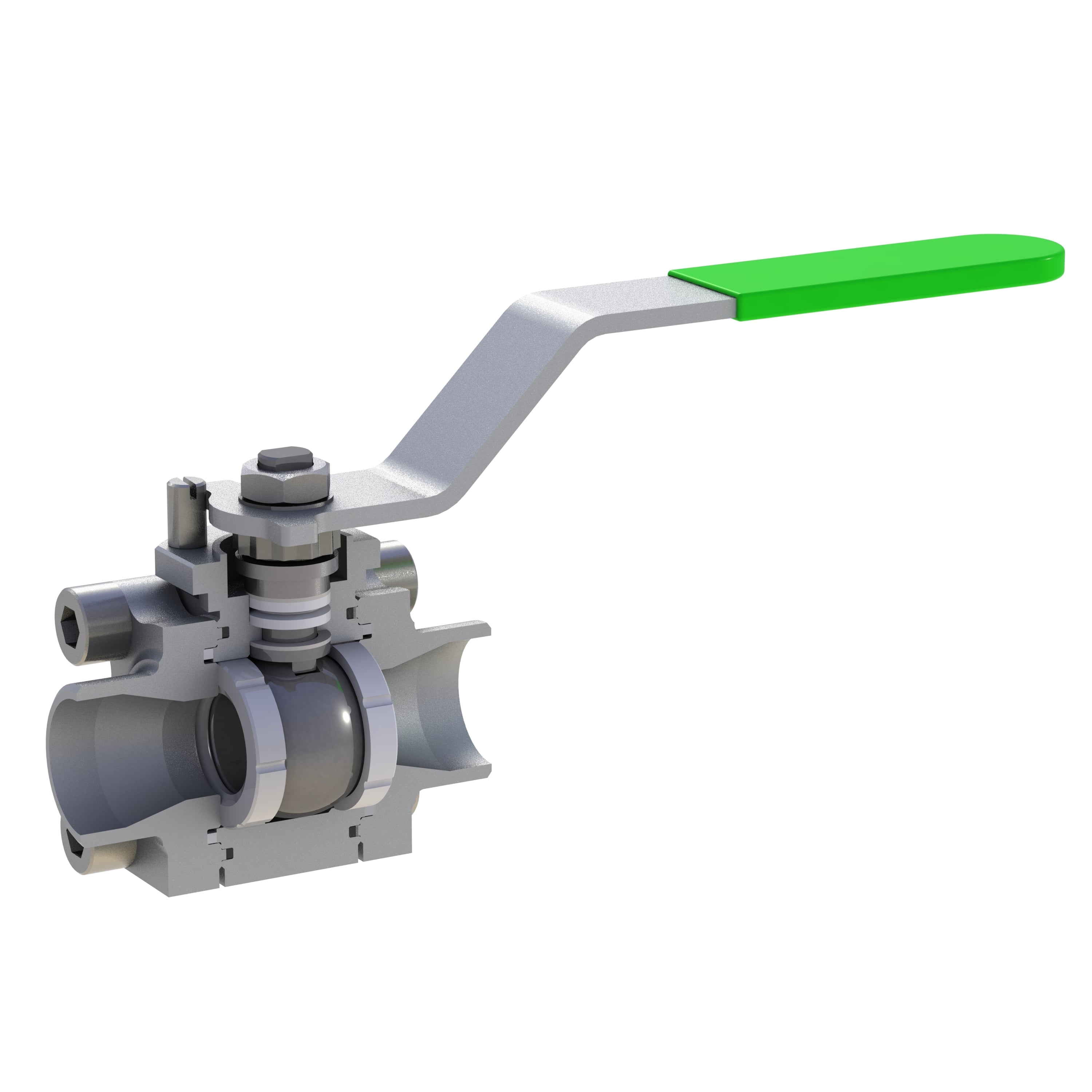
| Ball Valve | Quarter-turn isolation in liquid and gas systems. Specialized designs can also support flow control |
| Gate Valve | On/off isolation, generally operated fully open or fully closed |
| Globe Valve | Flow regulation or isolation depending on the design |
| Butterfly Valve | Quarter-turn isolation or flow regulation depending on construction and service conditions |
| Check Valve | Automatic prevention of reverse flow |
| Diaphragm Valve | Isolation or regulation where separating the operating mechanism from the process medium is valuable |
| Plug Valve | Rotary isolation or flow diversion depending on port configuration |
| Safety or Pressure Relief Valve | Automatic overpressure protection selected and sized for the required relieving duty |
These categories provide a general overview of the industrial valve industry. Not every manufacturer supplies every valve type and suitability always depends on the specific design, materials and operating conditions.
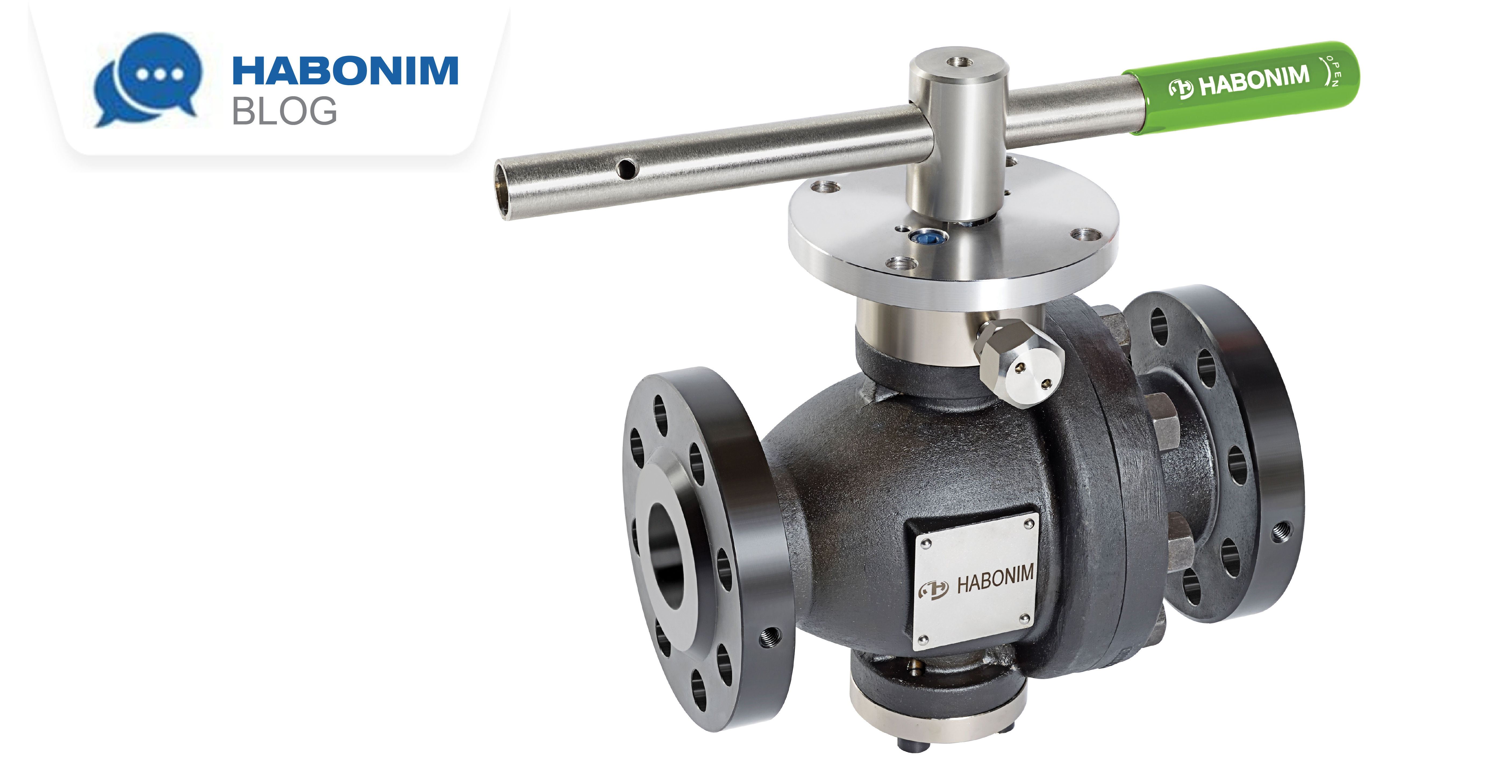
Habonim focuses on industrial ball valves, valve automation and engineered valve solutions for demanding applications. Its portfolio includes floating and trunnion-mounted ball valves, cryogenic, high-pressure and metal-seated designs together with pneumatic actuation and engineered assemblies.
Innovations Shaping Industrial Valve Technology
Important areas of valve technology development include sealing integrity, service-specific engineering and improved valve automation.
Improved Stem and Body Sealing
External leakage and leakage through a closed valve are different performance issues. Stem and body seals help contain the process medium within the pressure boundary while seat sealing controls leakage through the closed valve.
Habonim's Total HermetiX™ Integrity Package combines stem sealing, double body sealing and fire-safe features with additional inline sealing mechanisms in selected designs.
Habonim documents testing or certification to ISO 15848-1 and API 641 for fugitive emissions and to API 607 and ISO 10497 for fire-safe performance.
Buyers should always confirm the applicable certification scope for the selected valve series and configuration.
Specialized Engineering for Hydrogen and Cryogenic Service
Hydrogen and cryogenic applications require documented suitability for the actual service. A pressure rating alone does not establish compatibility with every medium or temperature.
For hydrogen projects, valve selection should address materials, sealing performance and the specified pressure and temperature range.
Habonim's H23 hydrogen-service valve is an example of application-specific engineering for compressed hydrogen systems, with features including an anti-blowout stem design, enhanced stem sealing and provisions for manual operation or automation.
Cryogenic engineering presents a different set of challenges.
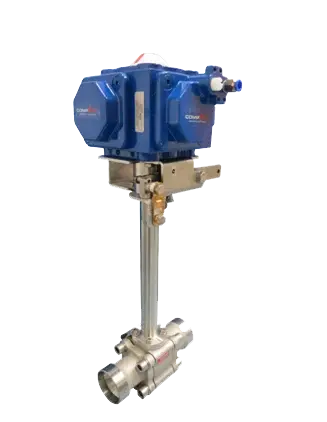
Habonim's cryogenic valve range incorporates extended-bonnet construction and mechanisms for managing pressure that can build up in the valve cavity when trapped cryogenic liquid warms and vaporizes.
The required cryogenic configuration should always be confirmed against the process medium, installation orientation and operating envelope.
Automation and Valve Monitoring
Automated valve assemblies can provide position feedback and operating information depending on the actuator, accessories and control system selected.
These capabilities can support process control, maintenance planning and system diagnostics.
When evaluating automation, engineers should confirm which feedback and diagnostic functions are required, how they integrate with the plant control system and whether the complete valve and actuator package meets the application's operating requirements.
How to Choose the Right Valve Manufacturer for Your Project
The right manufacturer should be able to explain why a proposed valve fits the application and provide evidence supporting that recommendation.
1. Define the Application Before Comparing Products
Prepare a valve specification covering:
- Process medium, composition and any solids or contaminants
- Normal and design pressures and temperatures including differential pressure
- Required function: isolation, modulation, diversion or another duty
- Line size, connections and installation constraints
- Required shutoff performance and allowable external leakage
- Operating frequency, actuation requirements and required failure position
- Applicable project specifications, testing and documentation
Use the same specification when requesting quotations so that technical and commercial comparisons are meaningful.
2. Evaluate Relevant Application Experience
Ask for experience with comparable media, operating conditions and duty cycles.
Experience in general industrial applications does not by itself establish suitability for hydrogen, cryogenic service or another demanding duty.
Request a written explanation of the proposed body materials, seats, seals and configuration. Identify any assumptions that require confirmation before ordering.
A useful technical recommendation should connect the proposed design to the application requirements rather than simply list product features.
3. Verify Product-Specific Evidence
Ask which certificates, test reports and material records apply to the exact valve series and configuration being offered.
Distinguish between the manufacturer's quality-management credentials and evidence supporting a particular product's performance.
A list of standards in a brochure is a starting point. Procurement teams should establish which requirements the supplied valve meets and what documentation will accompany it.
4. Review the Complete Automated Assembly
If the valve is automated, evaluate the valve, actuator and accessories together.
Confirm:
- Valve torque requirements
- Available air pressure or other utilities
- Required failure action
- Operating speed
- Position feedback
- Installation conditions
Habonim offers CompAct™ and Power CompAct™ pneumatic actuators and actuation accessories.
Evaluating the complete package helps ensure that valve and actuator selection addresses the application as a system rather than as separate components.
5. Compare Lifecycle Support and Total Cost
Purchase price is only one part of the valve's total cost.
The evaluation should also consider:
- Maintenance requirements
- Expected service life
- Spare parts availability
- Service access
- Technical documentation
- Delivery
- After-sales support
A lower initial price may not provide the best overall value if the valve requires more maintenance, creates replacement difficulties or lacks the documentation and technical support required by the project.
Ask who will handle technical questions after installation and how replacement components will be identified and supplied.
Where to Find Reliable Industrial Valve Suppliers
Start with manufacturers' official websites and regional sales contacts.
Ask the manufacturer to confirm the appropriate sales channel for your location and application.
When evaluating a supplier, establish whether it can provide:
- A clearly identified manufacturer, valve series and configuration
- Technical assistance with application requirements
- Applicable product documentation and traceability records
- Confirmed delivery information
- Access to spare parts and after-sales support
For demanding applications, technical capability and application support should be considered alongside commercial factors.
Frequently Asked Questions
What are the latest innovations in valve technology?
Important areas of ongoing development include improved stem and body sealing, specialized designs for hydrogen and cryogenic service and advanced valve automation.
Habonim's H23 hydrogen-service valve illustrates application-specific engineering for compressed hydrogen systems. Each technology should be evaluated against a defined operating requirement and documented product capability.
How do I choose the right valve manufacturer for my project?
Provide a detailed application specification then evaluate relevant experience, the proposed valve design, supporting product documentation, automation capability and lifecycle support.
Compare quotations against the same requirements and resolve technical assumptions before ordering.
What should procurement teams verify before selecting an industrial valve manufacturer?
Procurement teams should verify the exact valve series and configuration, materials, applicable certifications, required testing, documentation, delivery capability, spare parts availability and after-sales support.
Technical claims should be supported by documentation relevant to the actual product being supplied.
Where can I find reliable suppliers for industrial valves?
Start with manufacturers' official websites and regional sales teams.
Confirm the appropriate sales channel and check the supplier's technical capabilities, product documentation, traceability and after-sales support.
For Habonim products, contact the relevant regional team through the company's worldwide contact page.
What are the main types of industrial valves and their uses?
Common types include ball, gate, globe, butterfly, check, diaphragm, plug and pressure relief valves.
Their principal functions include isolation, regulation, diversion, reverse-flow prevention and overpressure protection. The required function and service conditions determine the appropriate valve design.
Key Takeaways
- Select valves according to the required function, process medium and operating conditions.
- Evaluate technology developments according to documented benefits for the application.
- Assess manufacturers based on relevant experience, product-specific evidence and lifecycle support.
- Confirm the exact valve configuration, applicable certifications and supplied documentation.
- Evaluate total lifecycle cost rather than purchase price alone.
- Verify the appropriate sales channel and access to technical assistance and spare parts.
- For automated applications, review the valve, actuator and accessories as a complete assembly.
Selecting the Right Industrial Valve Partner
Reliable valve performance begins with matching the valve to the actual process conditions.
Habonim develops industrial ball valves, valve automation and engineered solutions for demanding applications including hydrogen, cryogenic service, energy, chemical processing, oil and gas and industrial gases.
From floating ball valves to spring-assisted trunnion-mounted designs and complete automated assemblies, selecting the appropriate configuration helps achieve reliable isolation, efficient operation and long-term performance.
Planning an industrial valve project? Contact Habonim to discuss your application requirements and suitable valve and actuation options.